
On Tuesday, Royal LePage, a Canadian real estate company, released its latest annual real estate market forecast report.
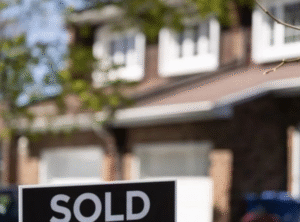
On Tuesday, Canadian real estate company Royal LePage released its latest annual real estate market forecast report. Following the economic and political turbulence of 2025, 2026 is set to become a critical year of adjustment for the Canadian real estate market. As buyers gradually return to the market, a modest price increase and a recovery in transaction volume are expected in Canada’s residential market next year.
By the fourth quarter of 2026, the national aggregate home price is projected to rise slightly by 1% year-over-year, reaching $823,000. Among these, the median price of single-family homes is expected to increase by 2% to $876,900, while the median price of condominiums is forecasted to decline by 2.5% to $563,900.
In the words of Phil Soper, President and CEO of Royal LePage, “Lower interest rates, gradually increasing supply, and reduced competition have created a more favorable environment for buyers. First-time homebuyers and those searching in expensive areas are now facing a rare window of opportunity to enter the market.”
“Although we do not anticipate a rapid rebound in the market, improvements in affordability will restore confidence among both buyers and sellers, laying the foundation for sustainable and moderate growth in 2026.”

However, it is not yet time to celebrate too soon. Despite the report indicating that home prices are expected to rise in most major markets nationwide, the two regions with the highest housing prices in Canada and of greatest interest to the Chinese community—the Greater Vancouver area and the Greater Toronto area—are projected to continue their downward trend next year.
Vancouver Home Prices Continue Under Pressure
By the fourth quarter of 2026, the aggregate home price in the Greater Vancouver area is forecasted to decline by 3.5% year-over-year, reaching $1.1478 million. Among these, the median price of single-family homes is expected to drop by 5% to $1.6109 million, while the median price of condominiums is projected to fall by 3% to $712,800.
Randy Ryalls, Brokerage Manager at Royal LePage Sterling Realty, analyzed: “Market momentum in Vancouver continues to weaken, with sales volume significantly below the ten-year average and slow inventory absorption. Current buyers mainly fall into two categories: those concerned about the economic outlook and those waiting for better entry opportunities.”
“Therefore, with ample inventory and falling prices, buyers feel no urgency and are more inclined to adopt a wait-and-see approach, carefully weighing their options.”
For example, many move-up buyers find themselves caught in the sequential dilemma of “selling first, then buying,” leading to an increase in “subject to sale” transactions.
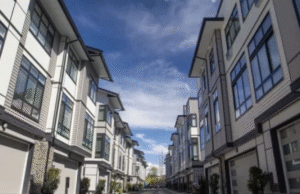
In the Greater Toronto Area, the aggregate home price is forecasted to decline by 4.5% year-over-year in the fourth quarter of 2026, reaching $1.0541 million. Among these, the median price of single-family homes is expected to decrease slightly by 1% to $1.3828 million, while the median price of condominiums is projected to drop by 6.5% to $615,800.
Shawn Zigelstein, a broker at Royal LePage Your Community Realty, analyzed: “The exceptionally sluggish market this autumn is not solely due to buyers waiting for opportunities but also stems from widespread economic concerns regarding job security and trade policies. The current slowdown in buyer decision-making stands in sharp contrast to the fierce bidding wars seen a few years ago.”
Zigelstein also noted that the reduction in competition presents opportunities: transaction volumes for homes priced below one million dollars have already shown signs of recovery, indicating that some buyers are taking advantage of the market adjustment period to enter the market.

Other Regions See Widespread Price Increases
In contrast, home prices in other major cities are generally expected to rise:
-
Quebec City: Overall prices are projected to surge significantly by 12%, leading the nation for the second consecutive year, reaching $501,900.
-
Greater Montreal Area: Expected to rise by 5% to $676,700.
-
Calgary: Anticipated to increase by 1.5% to $701,000.
-
Ottawa: Forecasted to grow by 2% to $788,900.
-
Edmonton, Halifax, Winnipeg: Home prices are expected to rise, but the increases are projected not to exceed 2%.
The interest rate cut cycle is nearing its end, and the housing market is showing signs of overall recovery. Additionally, the 2025 forecast has been influenced by multiple factors, including political and economic uncertainties such as trade tensions with the United States and changes in the federal government.
Within the year, the Bank of Canada implemented four interest rate cuts, leading some buyers to adopt a wait-and-see approach. Currently, the key interest rate stands at 2.25%, and it is widely expected that the central bank will pause further rate cuts unless the economy shows clear signs of weakening.
Thus, Soper believes that stabilizing borrowing costs, increasing supply, and easing competition have collectively created a market environment favorable to buyers. “The downward cycle of interest rates is almost over, which, in turn, has eliminated the hesitation for some consumers.”
From a national perspective, following the sluggish spring housing market, a trend of “gradual thawing” has emerged since summer, a trend expected to continue into 2026.
Overall, the Canadian real estate market is entering a new phase characterized by adjustment, divergence, and moderate recovery.